What Permits Do You Need for a Home Addition in King County?
Home additions are among the most complex projects in residential construction from a permitting standpoint. In King County — which includes Seattle, Bellevue, Redmond, Kirkland, Renton, and dozens of other jurisdictions — the rules are layered: state building code, county requirements, and city-specific regulations all apply simultaneously. What requires a permit in unincorporated King County may have different thresholds within Seattle city limits.
Here's what you need to know before breaking ground.
The Short Answer: Almost Everything Requires a Permit
If you're adding square footage to your home — whether it's a ground-floor addition, a second story, a garage conversion, or an accessory dwelling unit (ADU) — you need permits. Full stop. The permit process exists to ensure structural safety, energy code compliance, fire separation requirements, and proper egress. These aren't bureaucratic formalities; they're the systems that protect you and the eventual buyer of your home.
Building Permit
A building permit is required for any new construction, structural changes, or additions that increase the footprint or volume of your home. In Seattle, this is processed through the Seattle Department of Construction and Inspections (SDCI). In unincorporated King County, it goes through King County's Permitting Division. If you're in a city like Bellevue or Kirkland, your city has its own permitting department with its own submission requirements.
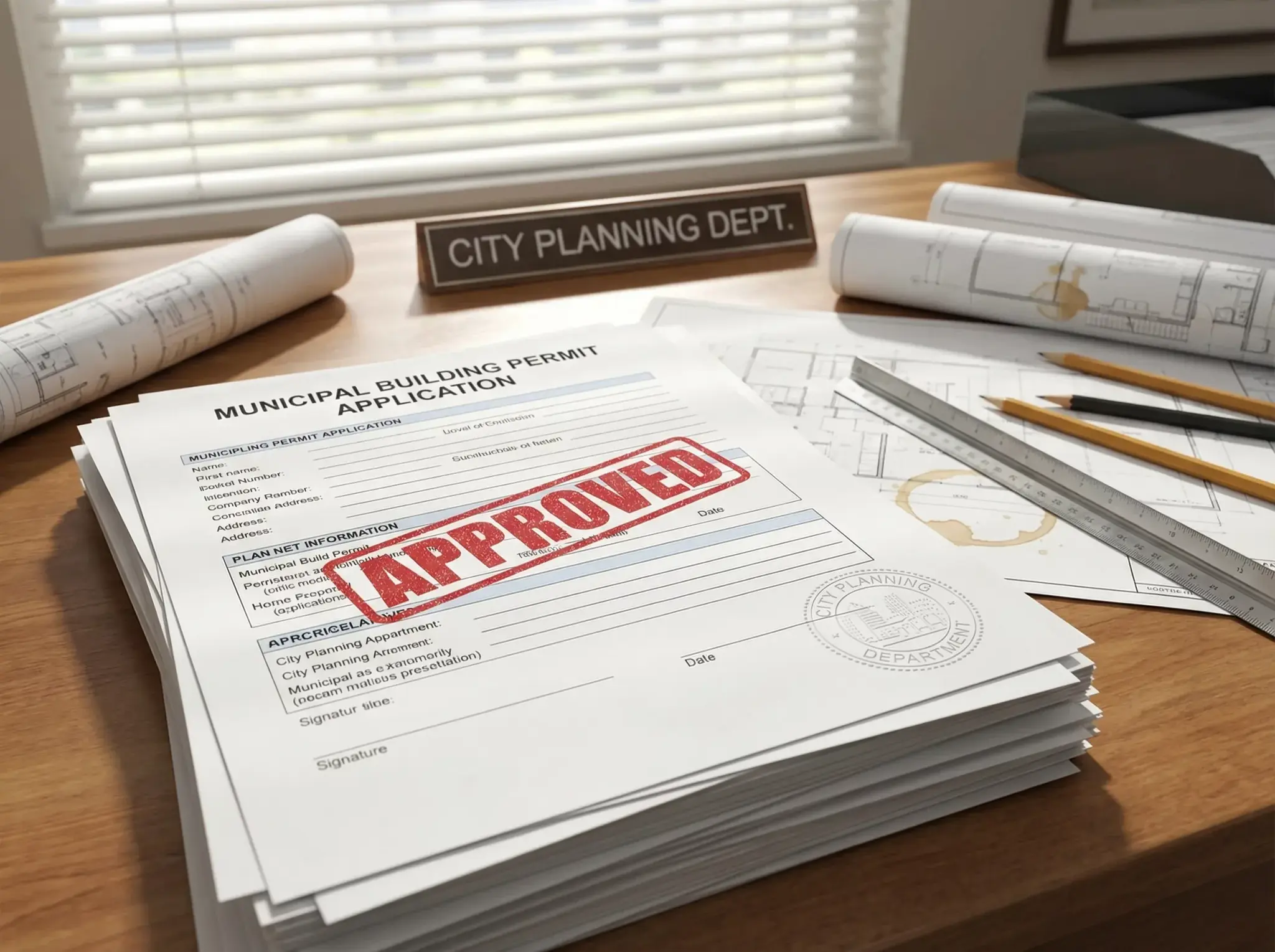
The building permit application requires drawings — at minimum, a site plan showing the existing structure and proposed addition, floor plans, and elevations. Complex projects may require engineered drawings stamped by a licensed structural engineer.
Electrical Permit
Any new electrical work in an addition — new circuits, outlets, lighting, panel upgrades — requires a separate electrical permit in Washington State. In most cases, this permit is pulled by the licensed electrical contractor doing the work, not the general contractor. Your GC should coordinate this and ensure the permit is in place before electrical rough-in begins.
Mechanical and Plumbing Permits
If your addition includes a bathroom, kitchen, laundry room, or HVAC extension, separate mechanical and plumbing permits are required. Again, these are typically pulled by the licensed subcontractors performing that specific work. A general contractor managing your addition should handle the coordination of all trades and their respective permits.
Special Considerations in Seattle
Seattle has additional layers that don't apply to other jurisdictions. The city's ADU program has specific requirements around setbacks, height limits, and owner-occupancy rules that change regularly. Design Review is required for larger projects in certain neighborhoods. Environmental review may be triggered for projects near steep slopes, landslide hazard areas, or shorelines — all of which are common in Seattle's varied topography.
Seattle's Mandatory Housing Affordability (MHA) program may require a contribution for certain projects that increase development capacity. Your contractor or permit expediter should flag these requirements early.
How Long Does Permitting Take?
This is where most homeowners are surprised. In Seattle, permit timelines have historically run 6–18 months for complex additions, though the city has made efforts to streamline. For standard single-family additions without environmental triggers, 3–6 months is more typical with a complete application. King County and other jurisdictions often move faster. Understanding the permit timeline is critical to scheduling your project — you can't start construction until the permit is issued.
What Happens If You Skip Permits?
Unpermitted additions are one of the most expensive mistakes a homeowner can make. When you go to sell, buyers' inspectors routinely flag unpermitted square footage. Lenders may refuse to finance a home with significant unpermitted additions. You may be required to bring the work into compliance — which can mean opening walls to allow inspection of work that was done years ago. In some cases, unpermitted structures must be demolished entirely.
Beyond resale, unpermitted work can void your homeowner's insurance policy for any damage related to the unpermitted structure. The short-term savings on permit fees are never worth the long-term exposure.
Work with a Contractor Who Knows the Process
The permitting process for a home addition is complex enough that experience matters enormously. A contractor who has pulled dozens of permits in King County and Seattle knows how to prepare applications that move through the system efficiently, how to respond to plan review comments, and when to bring in a permit expediter for particularly complex projects. This knowledge has real dollar value — in both time and avoiding costly revisions.
Frequently Asked Questions
How long does permitting take for a home addition in King County?
In Seattle, permit timelines have historically run 6–18 months for complex additions. For standard single-family additions without environmental triggers, 3–6 months is more typical with a complete application. King County and other jurisdictions often move faster.
What happens if you skip permits on a home addition?
When you go to sell, buyers' inspectors routinely flag unpermitted square footage, and lenders may refuse to finance a home with significant unpermitted additions. You may be required to bring the work into compliance, and in some cases unpermitted structures must be demolished entirely.
Ready to Start Your Project?
Get in touch with our team for a free consultation and estimate.
Contact Us Today