Deck vs Patio: Which Is Right for Your Seattle Home?
Seattle homeowners have been adding outdoor living space at record rates over the past several years — and it's no surprise. When the sun finally shows up from June through September, you want to be outside. The question most people face is the same: deck or patio? They both expand your usable space, but they serve different homes, budgets, and lifestyles.
What's the Actual Difference?
A deck is a raised platform, typically framed in wood or composite material, built above ground level and attached to the house. A patio is an at-grade surface — concrete, pavers, or stone — that sits directly on the ground. That distinction matters more than most people realize when you factor in Seattle's terrain and weather.
Why Decks Work Well in Seattle
Seattle's topography is notoriously hilly. Many backyards slope significantly — which makes a patio difficult or expensive to install without major grading work. A deck, built on posts at the right heights, can follow the natural grade of your yard while creating a perfectly level surface. This is one reason decks are so common in neighborhoods like Queen Anne, Capitol Hill, and West Seattle.
Decks also keep you elevated above the wet ground during the shoulder seasons — March, April, and October — when the ground stays saturated but the weather is otherwise pleasant enough to be outside. You stay dry, and your outdoor furniture does too.
Material Matters: Cedar vs. Composite
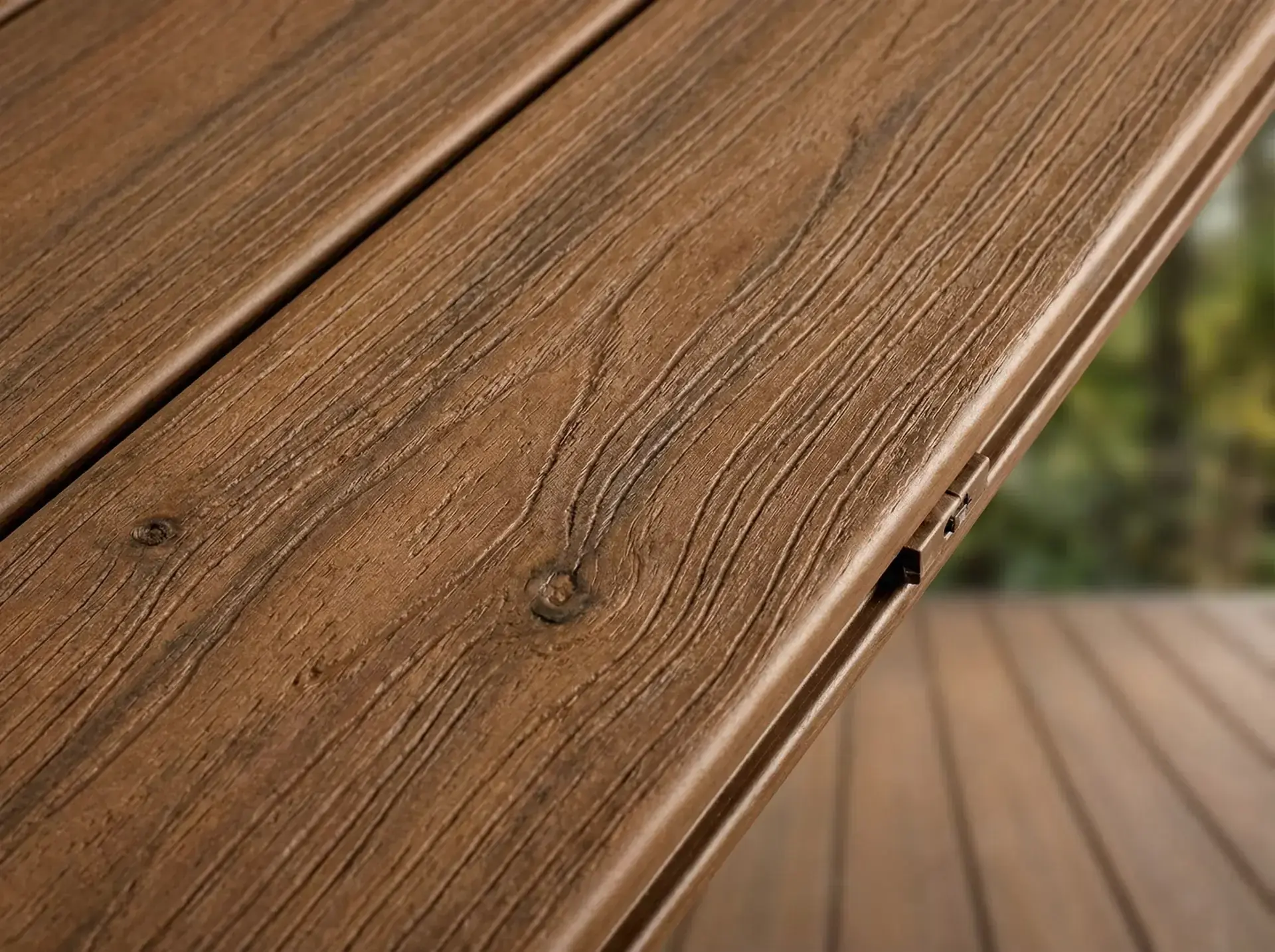
In Seattle's climate, material selection for a deck is critical. Cedar is a traditional choice — naturally rot-resistant, beautiful, and locally appropriate. It requires staining or sealing every few years to stay in top shape. Composite decking (brands like Trex or TimberTech) is more expensive upfront but requires almost no maintenance and holds up well to the Pacific Northwest's moisture and mildew conditions. For many Seattle homeowners, the long-term math favors composite.
When a Patio Makes More Sense
If you have a flat or gently sloping yard, a patio can be the more cost-effective option. Concrete and paver patios are durable, don't require the structural engineering of a deck, and can accommodate heavy outdoor features like built-in grills, fire pits, and hot tubs more easily than elevated decks. They also feel more integrated with the landscape, which some homeowners prefer aesthetically.
Permeable paver systems are increasingly popular in Seattle because they address the city's stormwater management requirements while creating attractive outdoor surfaces. If you're in an area with impervious surface limits, a permeable patio might be your best path to maximizing usable outdoor area.
The Permit Question
Both decks and patios may require permits in King County, depending on size and height. Decks attached to the house and over 30 inches above grade almost always require a permit. Detached patios under a certain square footage may not. Your contractor should know exactly where your project falls and pull the necessary permits.
Budget Comparison
A basic pressure-treated wood deck typically costs $25–$40 per square foot installed. Cedar runs $35–$55. Composite decks range from $50–$80+ per square foot depending on material and complexity. A concrete patio starts around $15–$25 per square foot; pavers run $20–$40+. Grading costs for sloped sites can add significantly to the patio side of the equation. If you'd rather spread the cost out, ask your contractor about financing options before you start.
Our Recommendation
For most Seattle backyards with any slope at all, a well-built composite deck will give you more usable years and lower ongoing maintenance than a patio at similar cost. For flat yards with significant hardscape plans (outdoor kitchen, fire feature, integrated landscaping), a paver patio may be the better design choice. The best way to know for certain is to have a contractor assess your specific site — the terrain tells the story.
Frequently Asked Questions
What's the actual difference between a deck and a patio?
A deck is a raised platform, typically framed in wood or composite material, built above ground level and attached to the house. A patio is an at-grade surface — concrete, pavers, or stone — that sits directly on the ground.
How much does a deck or patio cost in Seattle?
A basic pressure-treated wood deck typically costs $25–$40 per square foot installed. Cedar runs $35–$55, and composite decks range from $50–$80+ per square foot. A concrete patio starts around $15–$25 per square foot; pavers run $20–$40+.
Ready to Start Your Project?
Get in touch with our team for a free consultation and estimate.
Contact Us Today